
Case Study — Heat Pump Installer
From 8 to 50+ Leads/Month Through Research-Driven Strategy
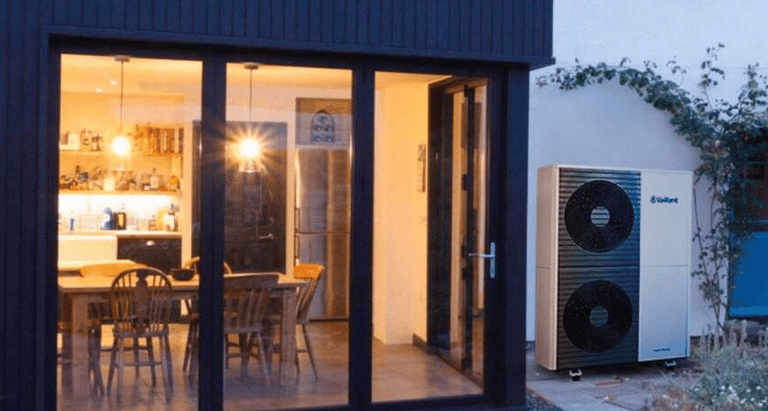

Overview
A local German heat pump installer needed a more predictable and scalable lead pipeline. Before our collaboration, they brought in around 8–10 leads/month, with little clarity on what worked or why. I built a data-based strategy that clarified the target audience, sharpened their positioning, and improved paid media performance — resulting in 50+ leads per month.
1. The Challenge
Highly saturated market with both local installers and aggressive national providers
Homeowners overwhelmed by contradictory information and unclear value propositions
No structured messaging, audience segmentation, or funnel strategy
2. Research & Insights
To create a robust foundation, I carried out a full research phase:
Market & Trends
Understanding political uncertainty, demand cycles, and customer confidence levels.
Competitor Analysis
Local installers lacked heat-pump specialisation; national players invested heavily in performance marketing.
Opportunity: position the client as local, specialised, and reliably reachable.
Customer Behaviour & Questions
Analysis of comments, social media sentiment, and search data revealed homeowners’ real doubts:
Cost, electricity usage, ROI
Noise + winter performance
Trust and long-term service
Audience Definition
Two segments shaped the strategy. All assets and copy were adjusted to reflect the profiles of these 2 segments.
3. Strategy
A clear message architecture and funnel were developed:
Positioning
“A reliable, local partner offering secure, future-proof heating — not just an installation.”
Messaging Framework
Built to address:
Real objections
Emotional motivators
Information needs at each stage of the journey
Funnel Setup
TOFU: Pain point agitation + clarity
MOFU: trust building, comparison
BOFU: lead generation + retargeting
Media Execution
Structured Google Ads with intent-based segmentation
PMax rebuilt to match audience behaviours
Landing pages aligned with messaging and objections
4. Results
Scaled campaign from 8 to 50 leads per month
Clearer targeting and more consistent cost per lead
Stronger differentiation vs. local and national competitors
Improved Google Ads performance through structured testing and messaging
5. What This Case Shows
This project demonstrates the impact of research-led marketing in complex, high-investment categories:
Customers respond to clarity, not aggressive selling
Data-based segmentation and positioning dramatically improve results
Sustainable performance requires both strategy and execution working together
Do you want to build a data-driven strategy like this?
Emanuele Del Rosario
edr@emanueledelrosario.com
81369, Munich, Germany